AdBlue is a clear liquid of 32.5% high-purity urea and 67.5% deionised water. Diesel engines with SCR (Selective Catalytic Reduction) inject it into the exhaust, where it turns harmful nitrogen oxides (NOx) into nitrogen and water vapour. In North America the same fluid is called DEF, Diesel Exhaust Fluid.
Is AdBlue the same as DEF?
Yes. AdBlue is a registered trademark of the German automotive association VDA. DEF is the generic name used in the US and Canada. Both must meet the ISO 22241 standard, so any certified fluid can be used.
How does AdBlue work?
A pump doses a small amount of AdBlue into the hot exhaust before the SCR catalyst.
The heat breaks the urea down into ammonia.
In the catalyst, the ammonia reacts with NOx and forms nitrogen and water.
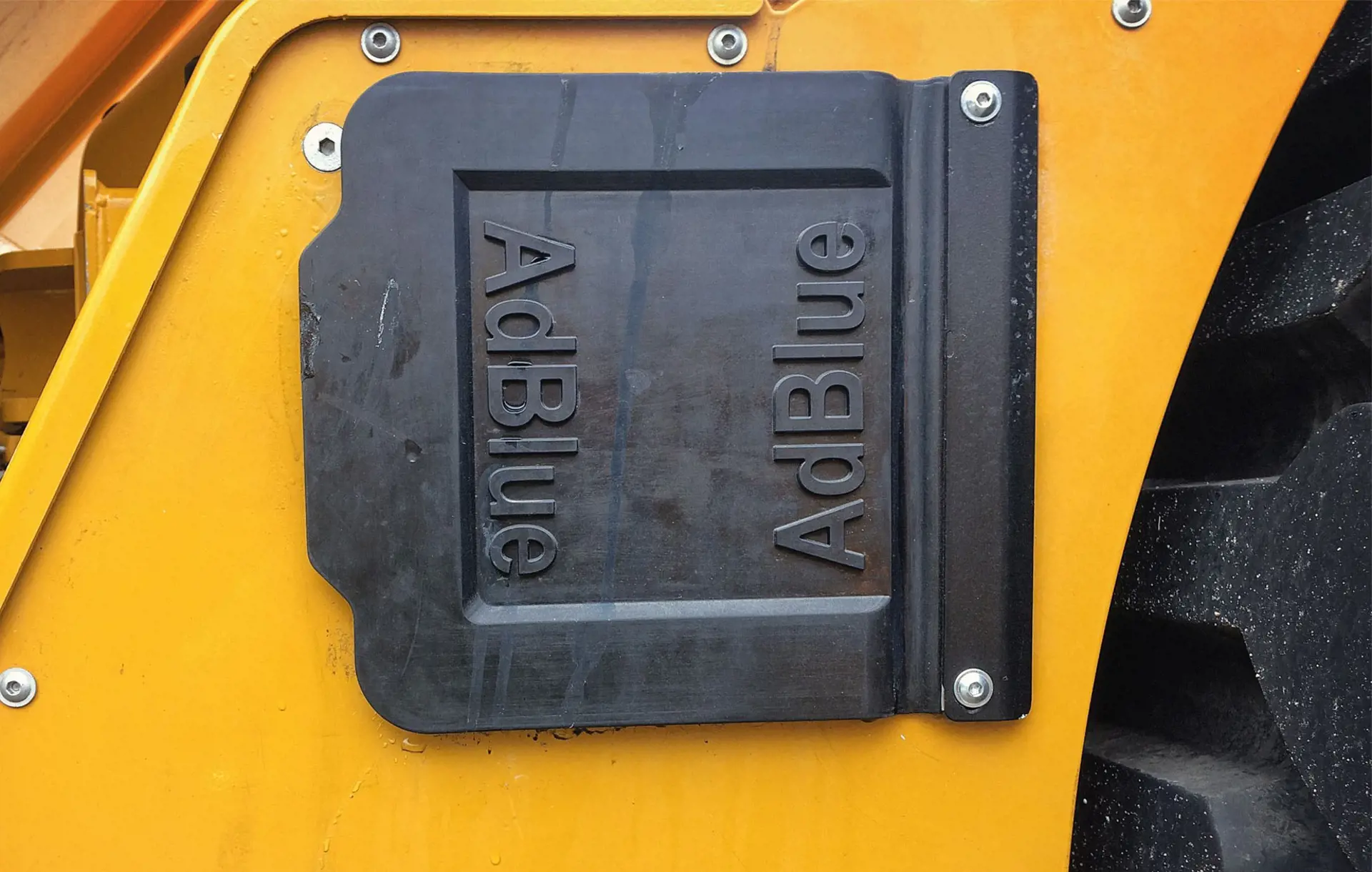
AdBlue never enters the engine itself. It has its own tank, normally with a blue cap.
How much AdBlue does a machine use?
A modern Stage V or Tier 4 Final engine typically uses AdBlue equal to 3–5% of its diesel consumption. A machine that burns 10 litres of diesel per hour uses around 0.3–0.5 litres of AdBlue per hour. The exact figure depends on the engine and the load.
What happens if AdBlue runs out?
The engine control system warns the operator first. If the tank runs dry or the fluid is of poor quality, emission rules require the engine to reduce power, and after a while limit it severely, until the tank is refilled with correct fluid.
How should AdBlue be stored?
AdBlue freezes at -11 °C. Machines heat the tank and lines, and frozen AdBlue can be used again once thawed.
Above 30 °C the urea slowly breaks down. Store it cool and out of direct sunlight.
Use clean, dedicated containers. AdBlue attacks copper, brass and zinc, and dirt can damage the SCR system.
Never pour AdBlue into the diesel tank.
Do you still need AdBlue with HVO?
Yes. HVO is a renewable diesel that cuts CO₂ over its life cycle, but it still produces NOx when burned. An engine with SCR needs AdBlue whether it runs on diesel or HVO.
AdBlue in Hydrema machines
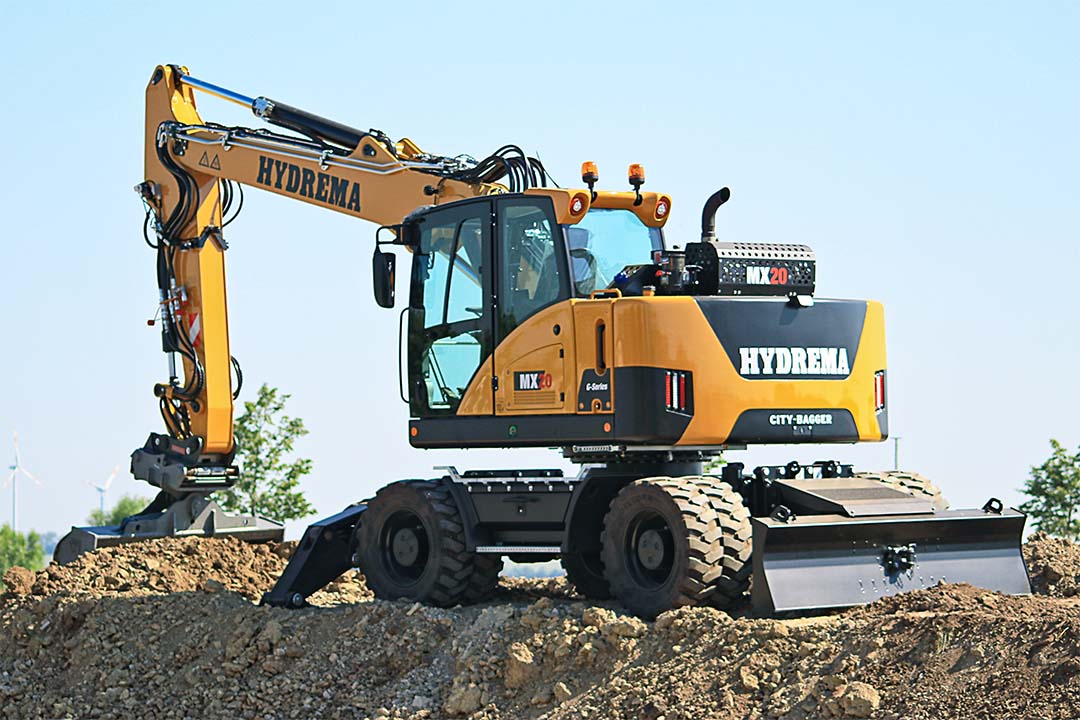
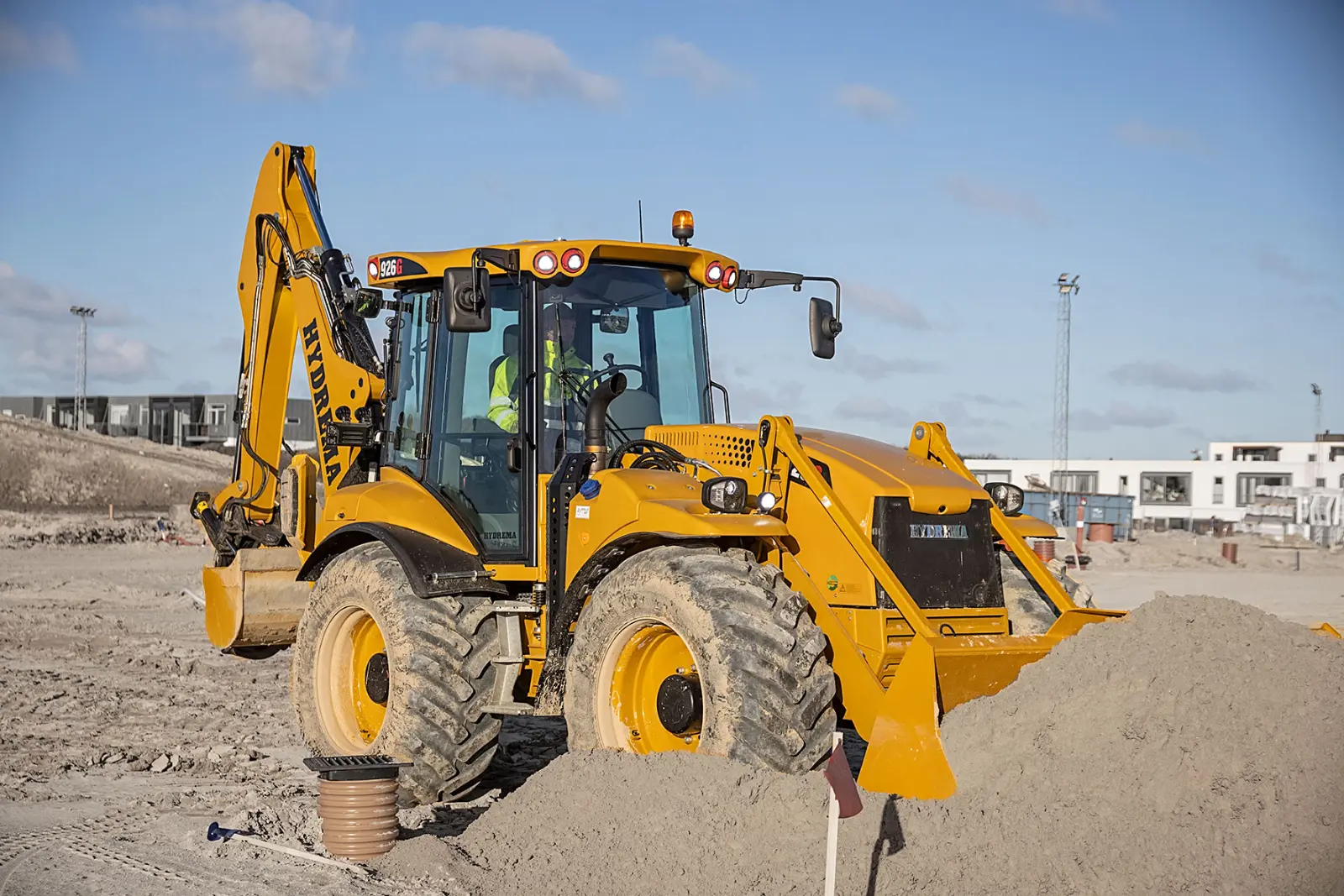
Most Hydrema machines have Cummins Stage V engines with DOC, DPF and SCR, and use AdBlue:
The 707G is the exception among the diesel models. Its Cummins F3.8 at 75 hp meets Stage V with DOC and DPF and needs no AdBlue. The 707G Power+ with 122 hp has SCR and uses AdBlue. The DT6 is fully electric.
Reviewed by Dennis Vesterbæk Hampe, Director of Global Marketing, Hydrema · Last reviewed: 6 November 2026